
Hola hivers.
Este domingo 21 de diciembre —día del Espíritu de la Navidad— mi «Conejita» (así llamo a Mariana, mi esposa y compañera desde hace 20 años), cumplió con la tradición, tanto de Venezuela como de nuestra casa, y se dedicó a preparar las hallacas para la Natividad y la fiesta de fin de año.
Acá en Maracaibo se preparan de una forma distinta a otras zonas del país. Hay regiones que le dan otro gusto al guiso (el protagonista central de la hallaca) y, bueno... como buenos zulianos, las hacemos con pollo y puerco.
Particularmente, mi «Conejita» usa la receta que aprendió de su mamá, la señora Gladys Montes; una receta que, además, ha trascendido a la nueva generación familiar. Ya nuestra hija (vive en España) y sus sobrinas saben hacerlas igual, manteniendo viva esa herencia familiar.
Les cuento que hacer hallacas es todo un ritual y un proceso tradicional en Venezuela; además, conlleva un arduo trabajo.
Primero, un día antes, hay que preparar el guiso: picar muchas verduras y las carnes en trocitos pequeños, además de limpiar las hojas de «bijao» (hojas de plátano).


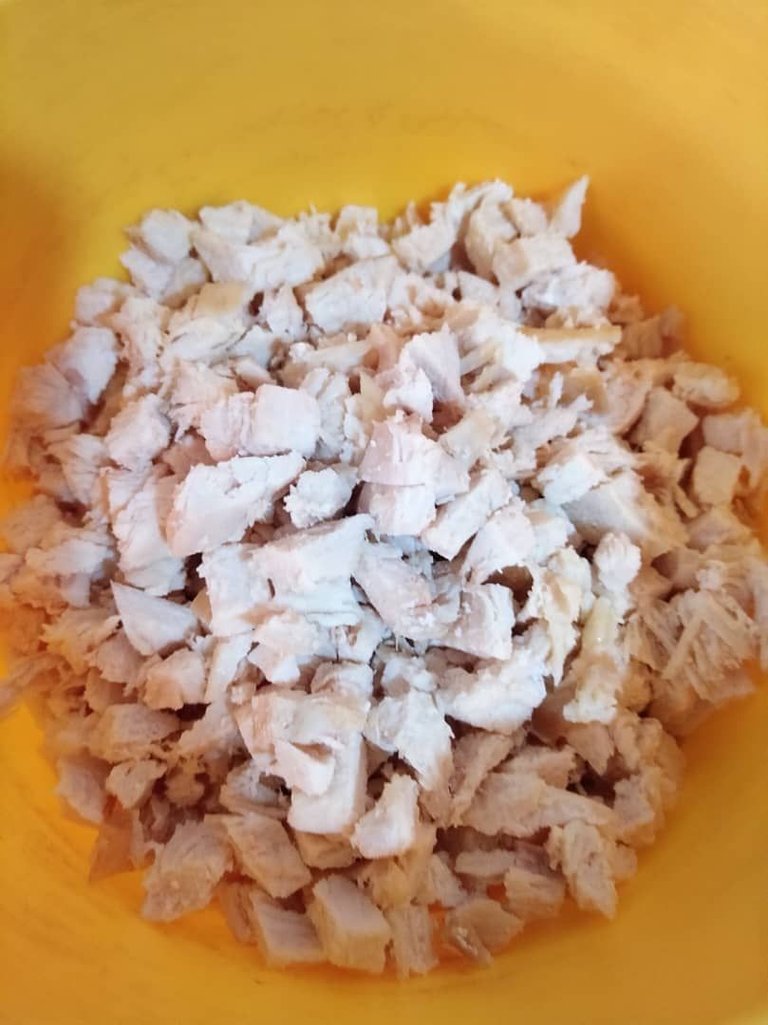


Luego de tener todos los ingredientes listos, se procede a cocinarlo en una olla grande, dependiendo de la cantidad que se quiera hacer.

Al día siguiente se inicia con la preparación de la masa (harina de maíz precocida). Más tarde comienza el proceso del amarre, no sin antes colocarles —antes de cerrar el envuelto con las hojas— las aceitunas, alcaparras y pasas, que le dan ese toque súper especial y sabroso a nuestras hallacas.


Generalmente, todos participamos en este proceso: ya sea picando las verduras o amarrando. Juntos hacemos una fiesta literal donde, además, nos tomamos alguna «bebida espirituosa» mientras escuchamos gaitas o música alusiva a la época decembrina.
Sin embargo, desde hace algunos años, mi «Conejita» las hace casi sola en casa (cada día más hijos emigran de Venezuela y, bueno...). Yo la ayudo con la compra de los ingredientes y otros detalles, pero el mérito de la sazón es todo de ella.
No soy un experto en la cocina, pero quería rendirle este pequeño homenaje a Mariana por mantener siempre la tradición, además de compartir con ustedes un poco de nuestra vida cotidiana.

Un detalle importante es que, desde hace varios años, Mariana también hace unas hallacas totalmente vegetarianas, especiales para mi padre, quien por temas de salud debe comer muy sano.
Para finalizar, les comparto algunos datos: logramos hacer 40 hallacas con dos kilos de puerco y una pechuga de pollo. Esa cantidad es suficiente para nuestra cena navideña y para obsequiar a familiares y amigos.
Deseo que mi pequeña historia haya sido de su agrado. ¡Espero sus comentarios!
¡Feliz Navidad para todos!
Todas las fotos son de mi autoria (Iphone 8 y Xioami Redmi 14C)
Banner hecho con InShot
Translated with DeepL.com

My bunny's hallacas (English - Spanish)
Hello Hivers.
This Sunday, 21 December — the day of the Spirit of Christmas — my “Conejita” (that's what I call Mariana, my wife and partner of 20 years) upheld the tradition, both in Venezuela and in our home, and set about preparing hallacas for Christmas and New Year's Eve.
Here in Maracaibo, they are prepared differently than in other parts of the country. There are regions that give the stew (the main ingredient in hallacas) a different flavour, and, well... as good zulianos, we make them with chicken and pork.
My ‘Conejita’ uses the recipe she learned from her mother, Mrs Gladys Montes, a recipe that has also been passed down to the new generation of the family. Our daughter (who lives in Spain) and her nieces know how to make them the same way, keeping this family tradition alive.
I should mention that making hallacas is quite a ritual and a traditional process in Venezuela; it also involves a lot of hard work.
First, the day before, you have to prepare the stew: chop lots of vegetables and meat into small pieces, as well as cleaning the ‘bijao’ leaves (banana leaves).


Once all the ingredients are ready, cook them in a large pot, depending on the amount you want to make.
The next day begins with the preparation of the dough (pre-cooked corn flour). Later, the tying process begins, but not before adding the olives, capers and raisins, which give our hallacas that super special and tasty touch, before closing the wrapping with the leaves.

Generally, we all participate in this process, either by chopping the vegetables or tying the hallacas. Together we have a literal party where we also drink some ‘spirits’ while listening to gaitas or music alluding to the Christmas season.
However, for some years now, my ‘Conejita’ has been making them almost alone at home (more and more children are emigrating from Venezuela, and well...). I help her with buying the ingredients and other details, but the credit for the seasoning is all hers.
I am not an expert in the kitchen, but I wanted to pay this small tribute to Mariana for always keeping up the tradition, as well as sharing a little bit of our daily life with you.
An important detail is that, for several years now, Mariana has also been making completely vegetarian hallacas, especially for my father, who has to eat very healthily for health reasons.
To conclude, here are some facts: we managed to make 40 hallacas with two kilos of pork and one chicken breast. That amount is enough for our Christmas dinner and to give to family and friends.
I hope you enjoyed my little story. I look forward to your comments!
Merry Christmas to all!
Thank you for visiting my blog.
All photos are my own (iPhone 8 and Xiaomi Redmi 14C).
Banner made with InShot.
Translated with DeepL.com
