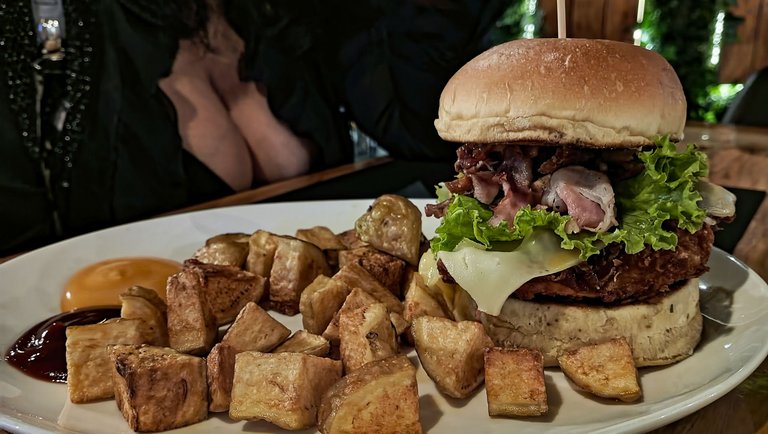
There are evenings that do not arrive as events but as relief. This dinner was one of those. I did not sit down expecting revelation or catharsis, only food and company, maybe warmth against the cold. Yet something shifted quietly as soon as we settled on the terrace, winter air cutting just enough to make every sensation sharper. The table became a pause button. For a few hours, the constant mental noise about Venezuela loosened its grip. The worry did not disappear, but it stopped shouting. I felt my shoulders drop, my breath slow, my body remember that it is allowed to rest. Eating stopped being a mechanical act and turned into a form of care. The food mattered, yes, but not in an aesthetic or performative way. It mattered because it was shared, because it arrived hot,because someone across the table smiled at the right moment. That was enough to make the night feel real.
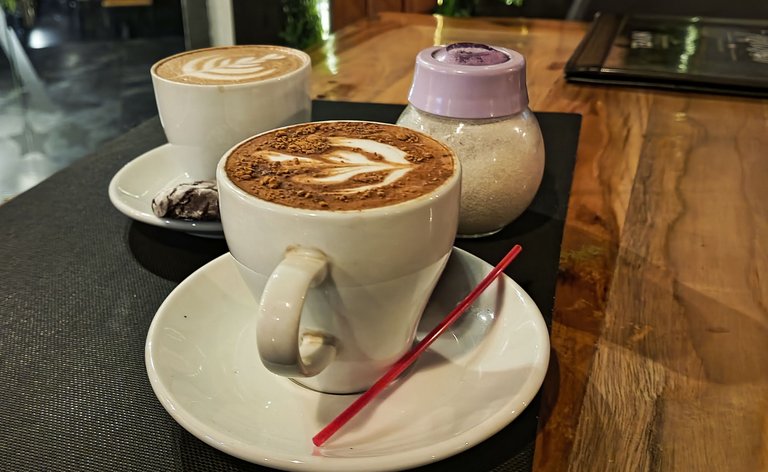
Memory often sneaks in when we least expect it. As plates were passed and coffee cups refilled, I noticed how easily my mind traveled between past and present. Certain flavors carried echoes of other tables, other winters, other conversations that once felt just as necessary. There was no sadness in that, only continuity. Life does not reset, it layers. This dinner joined that quiet archive of moments that do not ask for attention but stay anyway. I realized how starved I had been for this kind of simplicity, for interaction without tension, for affection without drama. We spoke, we laughed, we paused. Silence did not feel awkward, it felt earned. The cold wind brushed our faces and somehow made everything warmer by contrast. Being there felt like proof that I was still capable of enjoying without guilt.
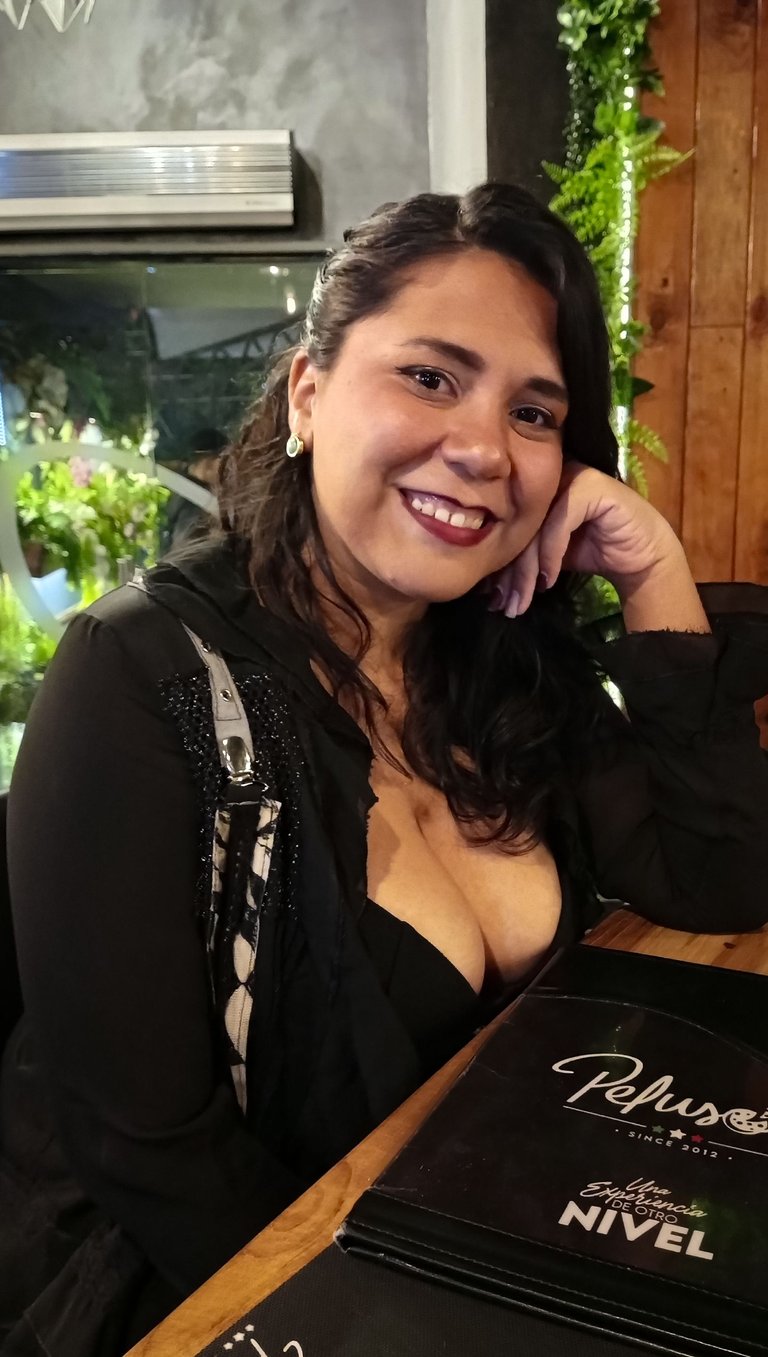
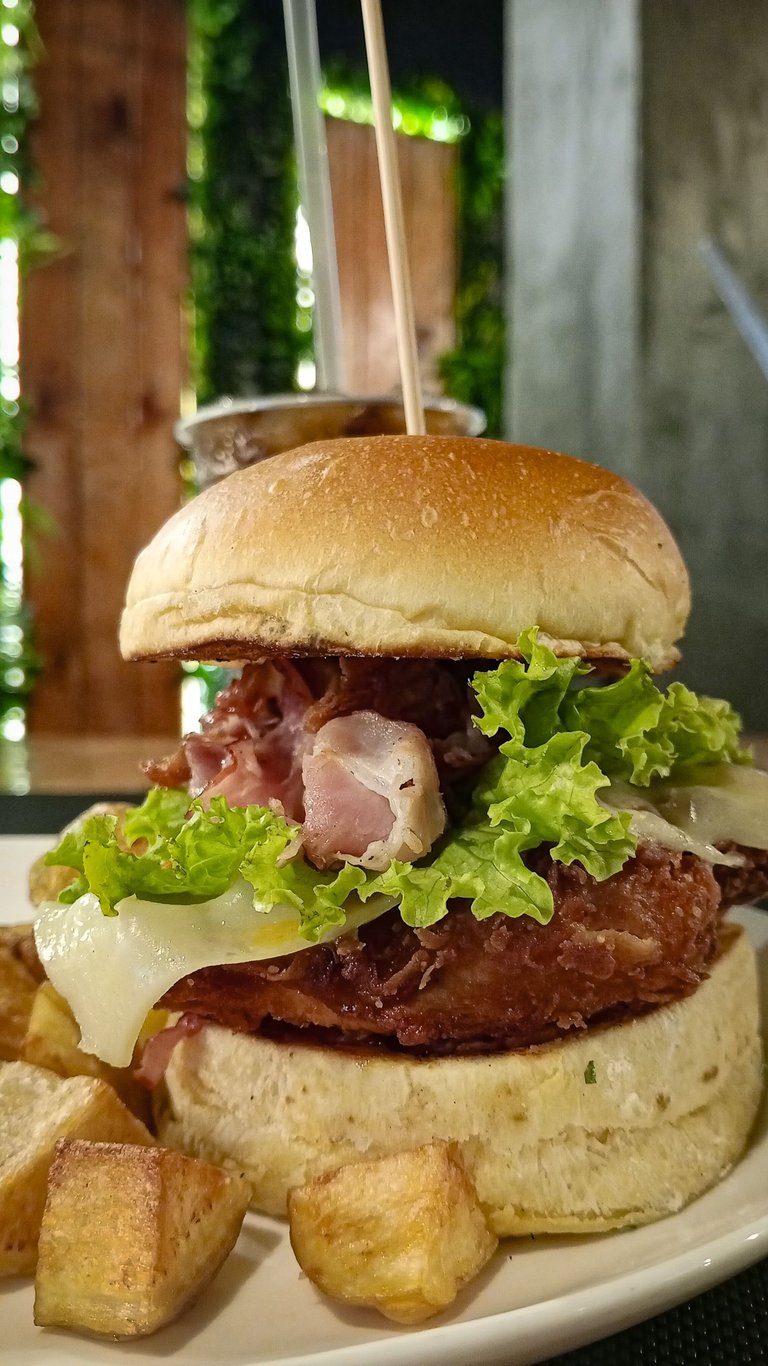
Something about food has always been misunderstood. We reduce it to menus and orders, to calories and trends, forgetting its deeper role. Eating together is one of the few remaining rituals that does not require explanation. You sit, you stay, you share. That is all. And yet that is everything. In a context where uncertainty has become routine, where distance and concern seep into daily life, these moments become anchors. This dinner was not an escape from reality but a way of meeting it with dignity. I did not feel disconnected from what hurts. I felt fortified. There is a difference. Pleasure does not cancel responsibility. It sustains it. Love expressed through attention, through time, through the act of staying present, has weight. It builds something solid enough to stand on when the rest feels unstable.
Resisting the urge to rush through the night felt almost radical. No need to document, no need to narrate it for an invisible audience. Just being there, fully, with the people in front of me. I noticed how care manifested in small, almost invisible gestures. Someone noticing an empty cup before it was mentioned. Someone breaking bread without thinking twice. These details are not poetic inventions. They are daily kindnesses that often go unnoticed until you realize how rare they have become. That dinner reminded me that intimacy is not always intense or loud. Sometimes it is calm, steady, quietly reassuring. It asks nothing spectacular from us. Only honesty and presence.
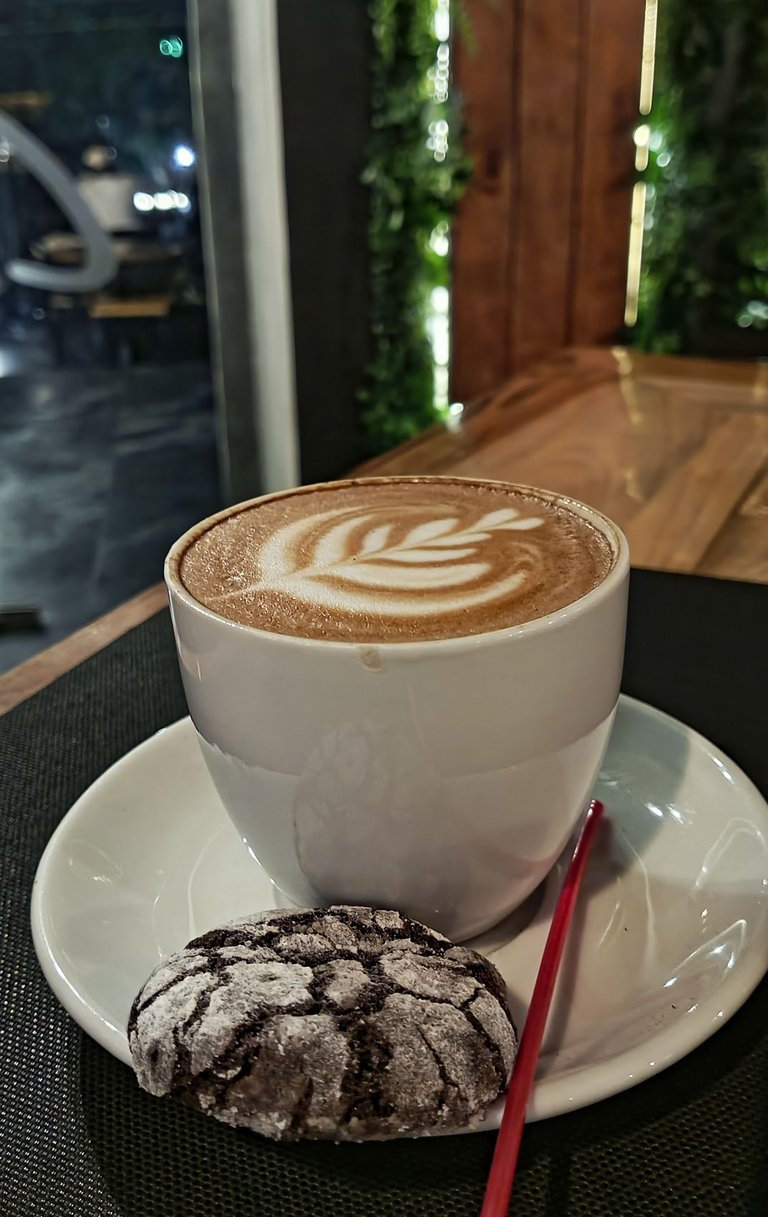

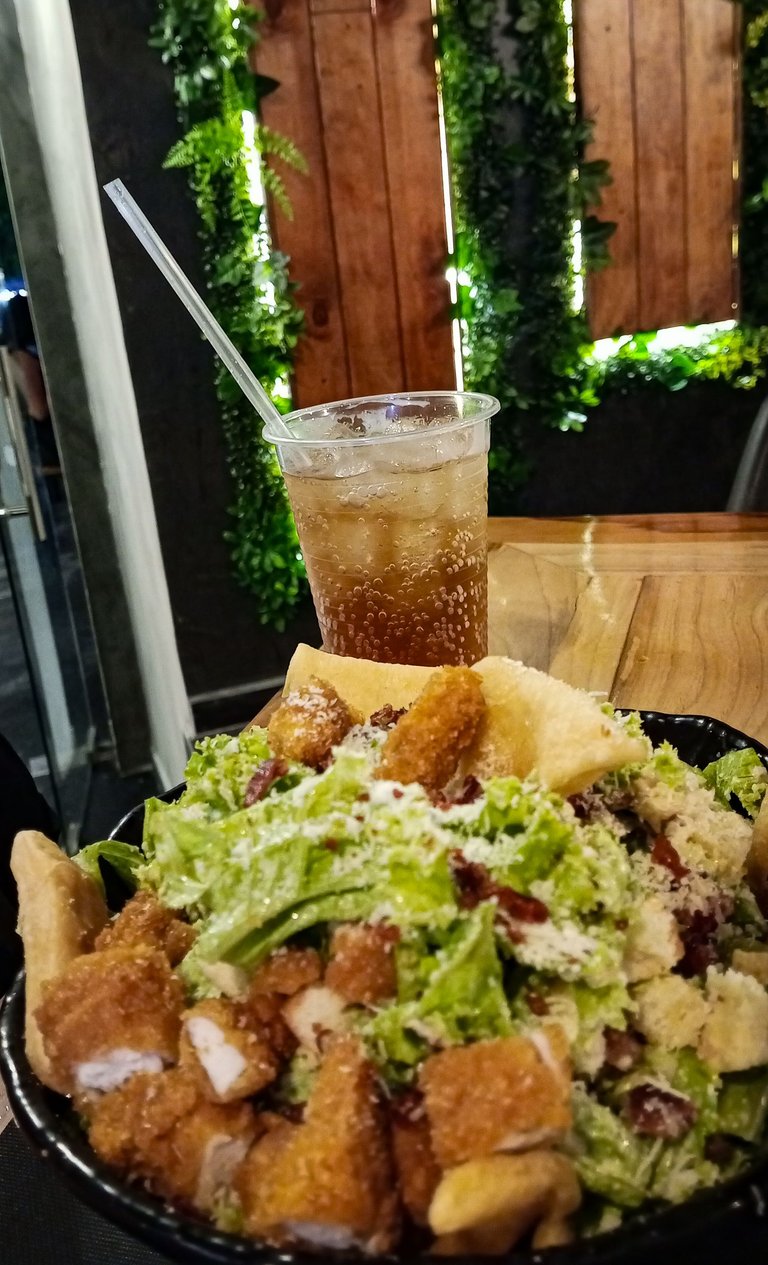
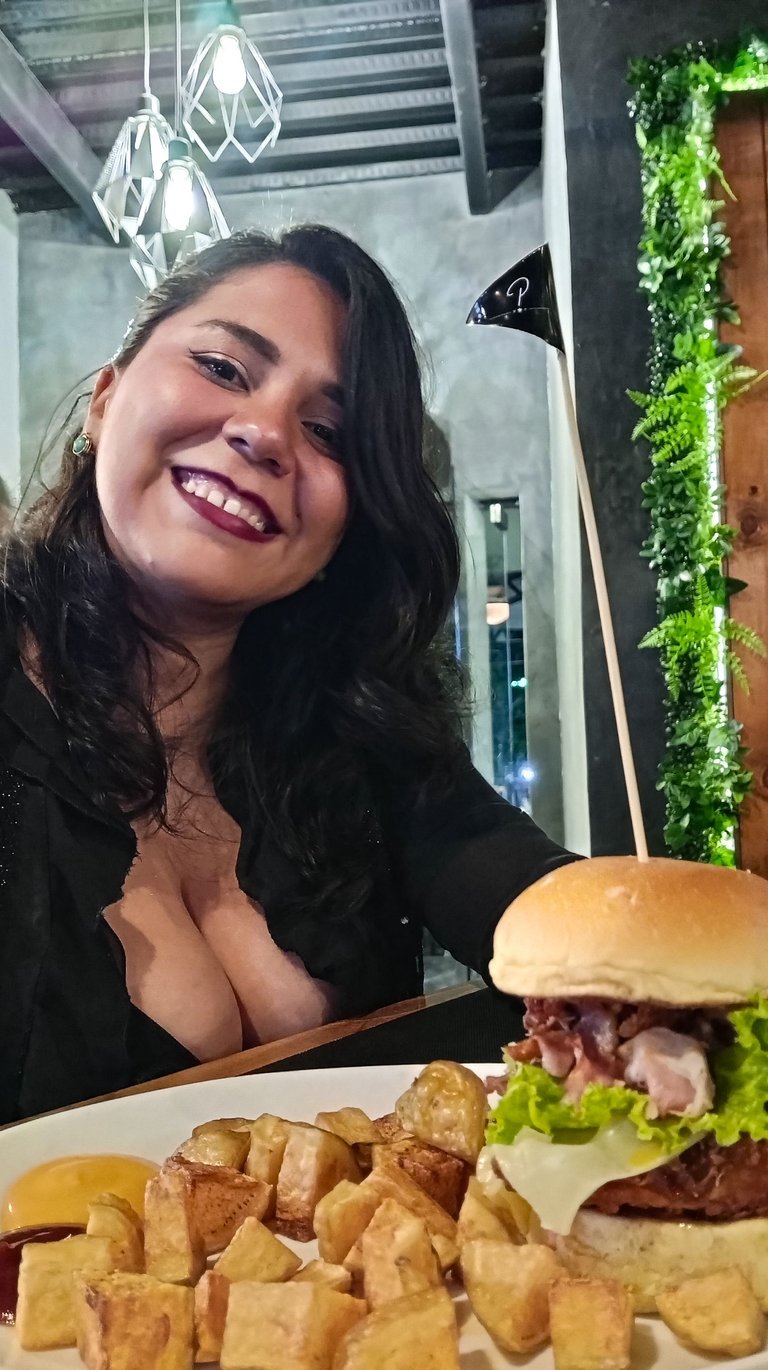
Leaving the restaurant later, I carried something with me that had nothing to do with leftovers or caffeine. I felt grounded. The world outside remained complicated, heavy, unresolved. Venezuela did not magically heal itself in a single evening. But I walked away with a clearer sense of balance. Moments like this do not solve problems, they remind us why we endure them. They reaffirm bonds, restore energy, and make space for breath. Food, coffee, shared laughter in the cold, all of it formed a gentle statement. We are still here. We still choose each other. We still allow ourselves to feel pleasure without apology. That, in itself, is an act of love worth repeating.
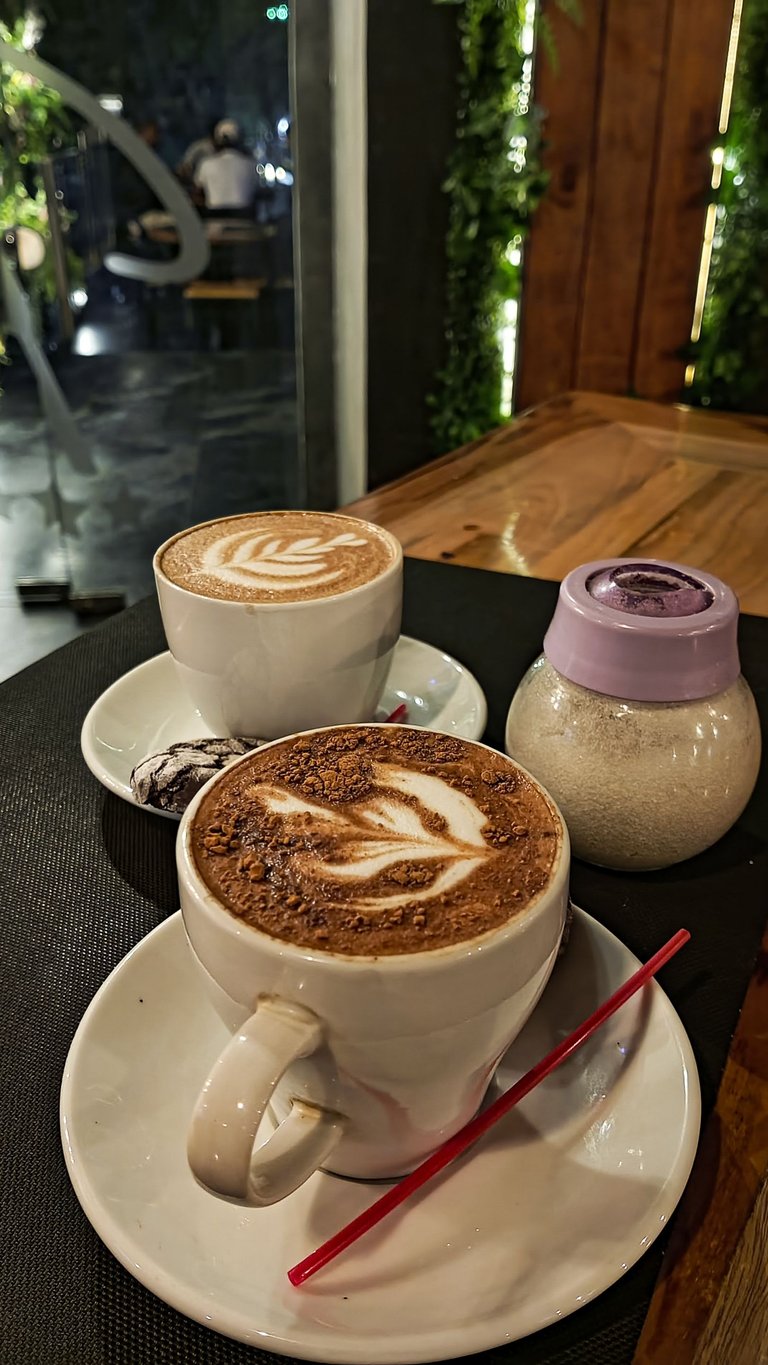
All photographs and content used in this post are my own. Therefore, they have been used under my permission and are my property.